How to Choose the Right Helmet for 2026


How to Choose the right Helmet for the 2026 racing season
In this guide, we explain how to choose the right helmet for 2026, covering safety standards, fit, helmet types and who each option is best for.
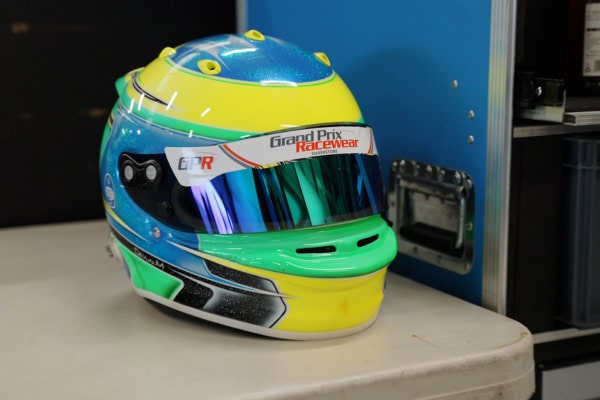
Picking a helmet can feel overwhelming. With a wide range of options, technical acronyms, and differing opinions, it’s easy to overcomplicate the process. However, selecting the right helmet for 2026 ultimately comes down to three key factors: safety, how you intend to use it and fit.
Here’s a clear, straightforward guide to help you make the right choice.
Step 1: Safety first
This aspect isn’t negotiable. Regardless of appearance, a helmet must meet the appropriate safety standards.
For 2026, the key approvals to look for are FIA and CIK-FIA, depending on the discipline. These are the governing body standards for motorsport and karting and represent a significant step up in safety requirements. Helmets certified to these standards are subjected to rigorous testing, including higher impact speeds, multiple impact points, and more demanding performance criteria, ensuring improved protection in real world racing conditions.
Some helmets may also carry additional approvals, such as SNELL, depending on their intended use. If you are unsure which certification is required for your activity, it is always best to ask rather than assume, particularly in competitive motorsport, where compliance is essential.
Buy the best safety rating you can afford.
Top Tip:
Step 2: Choosing your discipline
Choosing the right Helmet starts with your discipline. Not all helmets are designed for the same environment, so it’s important to consider where and how you drive most often.
Our helmets are split into categories:
Race and Rally: Are built for competitive motorsport, meeting strict FIA or CIK-FIA standards, and are designed for maximum protection in high speed impacts.
Track day: Are aimed at non competitive circuit use, offering strong safety and comfort but without the formal homologation requirements.
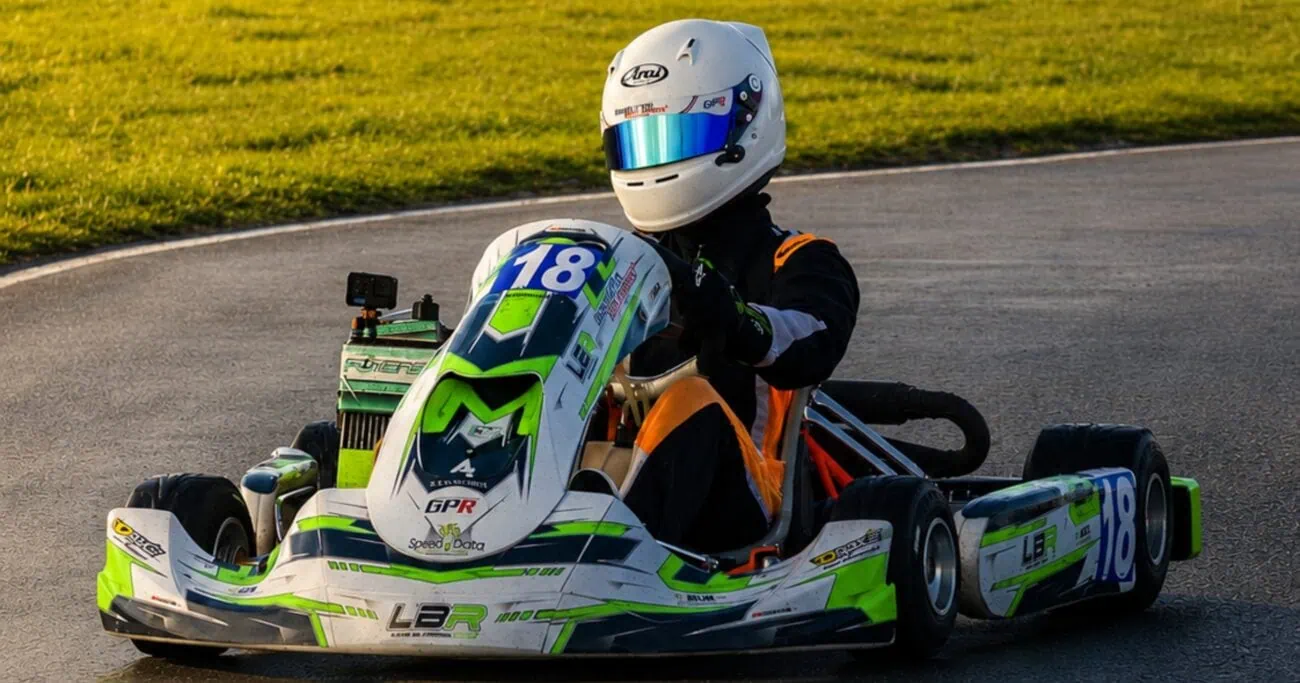
Karting: These helmets provide lightweight protection, excellent ventilation, and a wide field of vision. Built to meet CIK-FIA standards, they offer the safety and durability needed for competitive kart racing while keeping comfort and performance in mind for both short sprints and longer sessions.
Key Terminology
Homologation refers to official certification that a helmet meets specific safety standards for sanctioned motorsport events.
HANS compatibility indicates the helmet can be used with a Head and Neck Support device, which is critical in protecting against serious neck injuries in high speed crashes.
Choosing the right helmet for your discipline ensures both safety and performance on track or stage.
Top Tip:
Helmet Types:
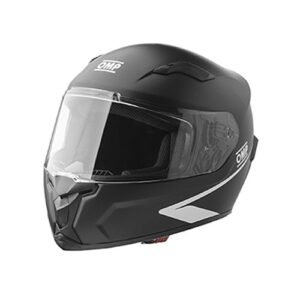
Full Face Helmets
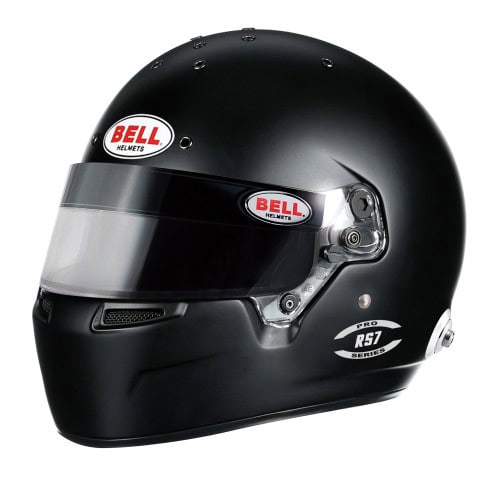
Full face helmets offer the most protection and are ideal for track days, racing and fast road use.
These helmets offer complete coverage for the head and jaw, making them some of the safest options available for high speed and high impact driving. They combine integrated visors with solid chin protection to guard against debris, impacts, and aerodynamic forces at speed, and are a staple in most motorsport disciplines where maximum protection is essential.
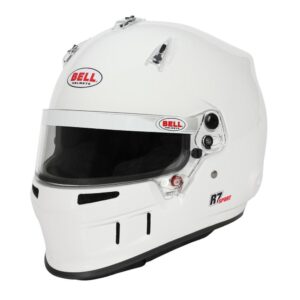
Full Face Race and Rally
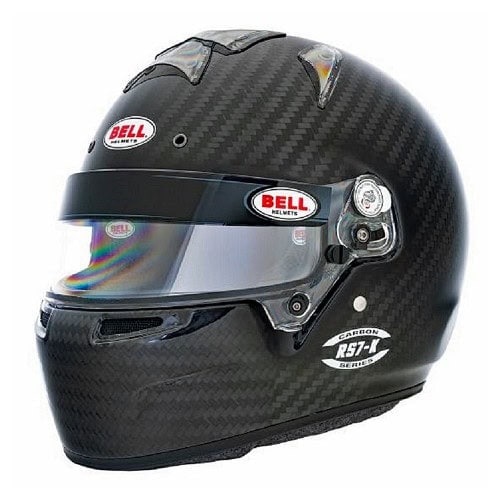
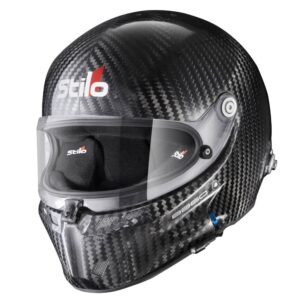
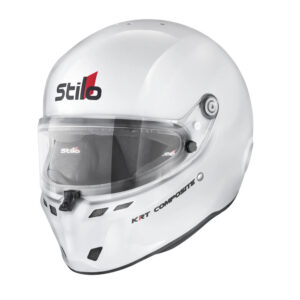
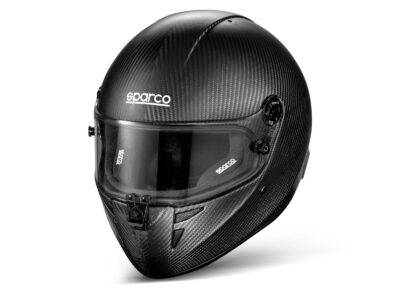
These are purpose built for competitive environments and homologated to the relevant motorsport standards (e.g. FIA / CIK-FIA). They typically feature advanced composite shells, superior impact performance and are suited for circuit racing, rally stages and other sanctioning body regulated events.
Some helmets stocked are compatible with HANS and all are Homologated.
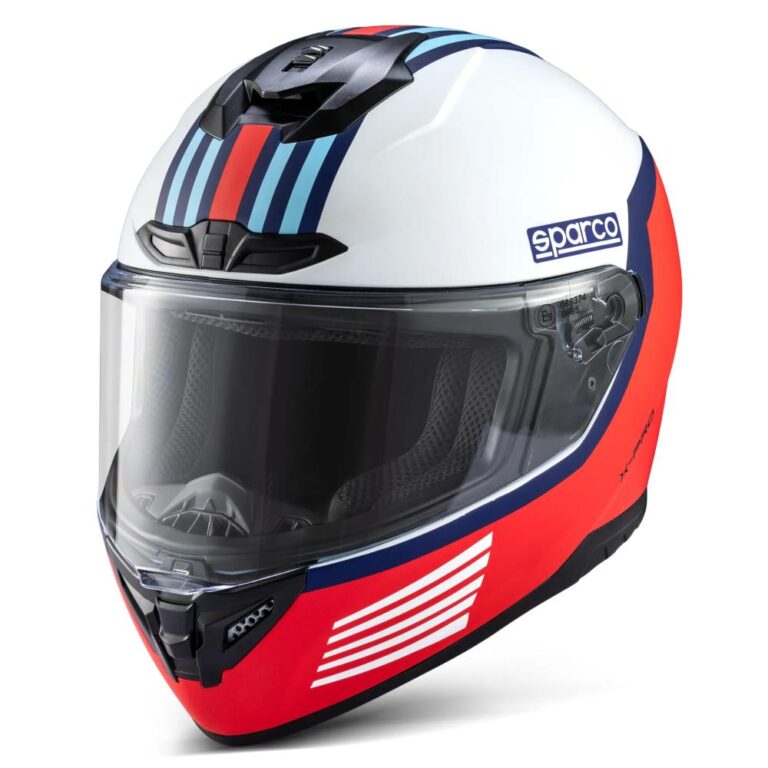
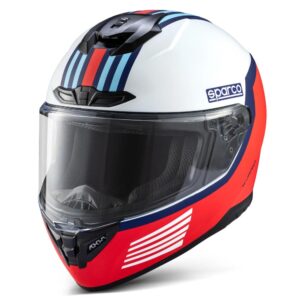
Full Face Track Day
Designed for non competitive track events and high performance driving days, these helmets balance strong safety credentials with comfort for extended laps. They are ideal for enthusiasts who are pushing limits on circuits without the need for full race certification.
These helmets are not compatible with HANS or Homologated.
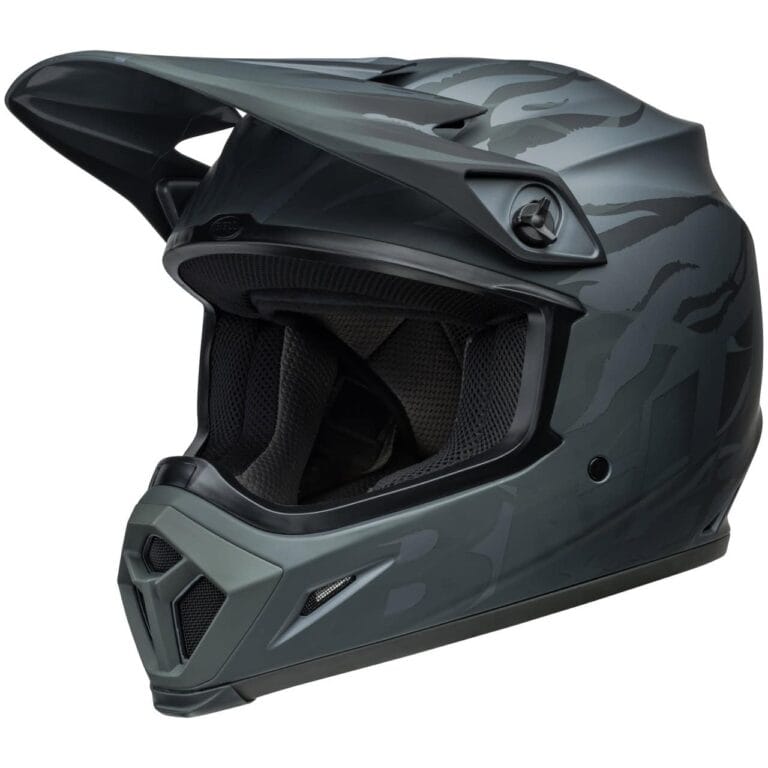
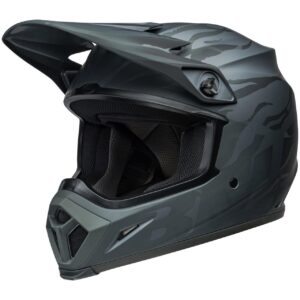
Full Face MOTO Helmets
A broader category that includes helmets used across various forms of motorsport and performance driving, offering robust protection whether you’re in a sprint race, endurance event, or high speed track session
These helmets are not compatible with HANS or Homologated.
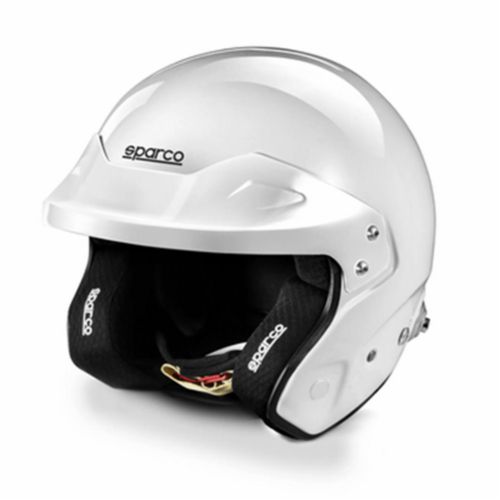
Open Faced Helmets
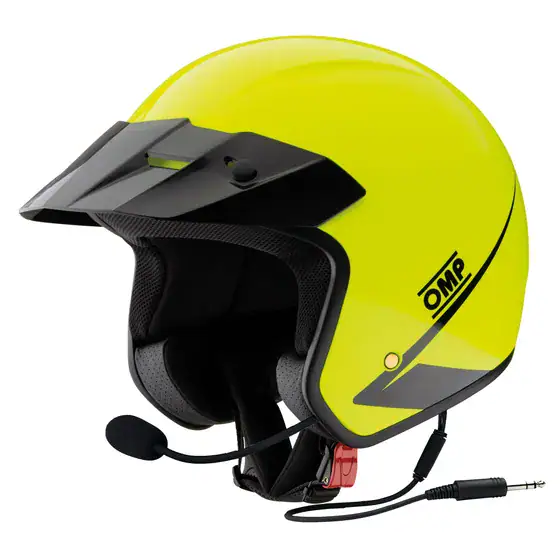
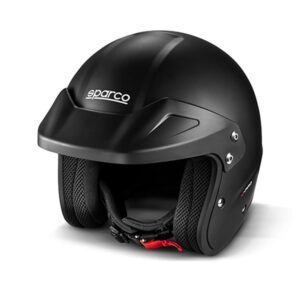
These are lightweight and ideal for racing or short track sessions where airflow, visibility, and comfort are key. They protect the top, sides, and back of the head while leaving the face and chin exposed, giving a more open, retro feel. Perfect for casual racing, practice sessions, or club events, they’re a great choice when full face protection isn’t required. While they offer less impact protection than full face helmets, they provide excellent comfort for lower speed or controlled environments.
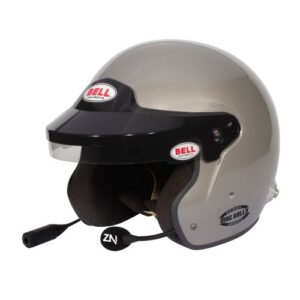
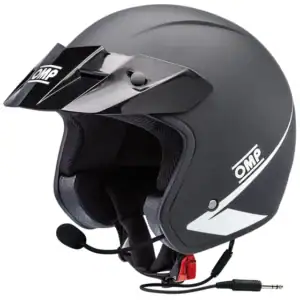
Open Faced Race and Rally Helmet
Are designed for competitive motorsport where visibility, communication, and situational awareness are essential. Commonly used in rally and classic racing, they offer lightweight protection and compatibility with intercom systems, while meeting the required FIA safety standards. Some helmets stocked are compatible with HANS and are Homologated.
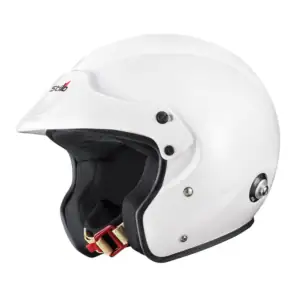
Open Faced Track Day Helmets
These are ideal for non competitive circuit use, offering a lightweight and comfortable option with excellent visibility and airflow. Designed for track days and driving experiences where full race homologation isn’t required, they provide practical protection with a more relaxed, open feel. Some helmets stocked are compatible with HANS and are not Homologated.
Kart Helmets
Adult Kart Helmets
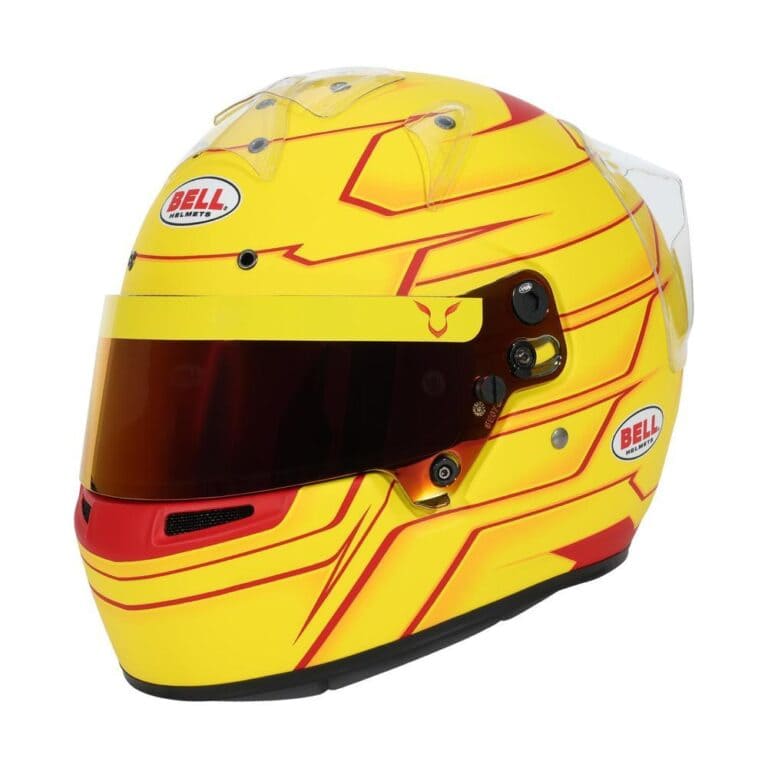
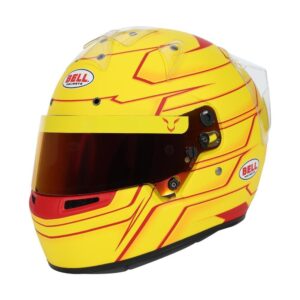
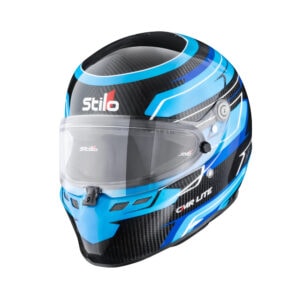
These are purpose built for karting, offering lightweight protection, excellent ventilation, and a wide field of vision to suit the demands of the track. Designed to meet CIK-FIA safety standards, they provide the comfort, performance, and protection required for both club level and competitive kart racing. These helmets are not compatible with HANS and are Homologated.
Junior Kart Helmets
These are specifically designed for younger drivers, with smaller shell sizes, lighter weights, and tailored padding to ensure a secure and comfortable fit. The difference matters because a properly sized helmet is critical for safety as adult helmets are not designed to fit junior head shapes correctly, and an incorrect fit can compromise protection and comfort during karting sessions. These helmets are not compatible with HANS and are Homologated.
If you race or kart, this is where brands like Bell, Stilo and Arai come into their own, as they’re designed specifically for competitive use.
Top Tip:
Step 3: The Perfect Fit
A helmet can carry the highest safety rating available, but without the correct fit, its protective performance is significantly reduced.
A properly fitting helmet should:
Feel snug without causing discomfort
Sit evenly and securely around the head
Remain stable when you move or shake your head
Fit firmly on the cheeks, which may feel slightly tight at first
If a helmet feels loose or immediately comfortable, it is likely too large. Helmets naturally bed in over time as the padding settles, so a secure, firm fit from the outset is both normal and recommended for optimal protection.
Wear it for 10–15 minutes before deciding. Hot spots usually show up quickly.
Top Tip:
Comfort
In 2026, helmets are far more comfortable than they used to be. Look out for:
• Soft, removable, washable liners
• Good airflow and ventilation
• Lightweight shell materials (especially important for long sessions)
Less weight = less neck fatigue, which you’ll really notice on longer days.
Top Tip:
Consider Helpful Add‑Ons
When choosing a helmet, small extras can make a noticeable difference in comfort, convenience, and performance. Some features to consider include:
Anti fog visors or Pinlock systems: Keep your vision clear in changing weather or high humidity conditions.
Scratch resistant coatings: Protect your visor from everyday wear and tear, maintaining clarity over time.
Good field of vision: Ensures you can see everything around you, which is especially important in competitive or fast paced environments.
Tear-offs (for motorsport): Make it easy to clear your visor during races or track sessions without stopping.
Easy visor changes: Save time and hassle when swapping visors for different lighting or weather conditions.
Some newer helmets also feature photochromic visors that adjust to changing light, which can be particularly useful if you ride in mixed conditions.
Other practical add-ons worth considering include:
Helmet hygiene products: Keep your helmet fresh and clean, especially after long sessions.
Helmet communications systems: Allow hands free communication or connectivity for coaching, team updates, or navigation.
Helmet accessories: Items such as spoiler kits, replacement liners, or padding upgrades can enhance fit and performance.
Helmet bags: Provide protection during transport and convenient storage.
While these extras might seem minor, they can significantly improve your helmet experience, making your time on track or on the karting circuit safer, more comfortable, and more enjoyable.
How much should you spend?
You don’t need to choose the most expensive helmet available, but very low cost helmets can often compromise on comfort, materials, and overall performance.
As a rough guide:
• Entry level: Solid protection, fewer features
• Mid range: Better comfort, ventilation, lighter shells
• Premium: Advanced materials, lower weight, race focused design
Think of it as an investment in both safety and enjoyment.
Summary
Choosing the right Helmet for 2026 isn’t about chasing trends or buying what everyone else has. It’s about finding something that:
• Meets the right safety standards
• Fits your head properly
• Feels comfortable enough that you actually enjoy wearing it
If you get those three right, everything else is a bonus.